Vaccinations for Pets Prairieville Animal Hospital: Handling and Storage
Vaccine administration rests on a simple premise with substantial consequences. The right shot at the right moment can prevent serious illness, extend a pet’s healthy years, and spare a family the heartbreak of preventable disease. At Prairieville Animal Hospital, handling and storage are part of the care you receive before you ever see a needle go in. It’s not a glamorous detail, but it’s a reliable, practical backbone of preventive medicine. In this piece, I’ll walk you through what we consider when vaccines move from the shelf to the pet, and how we keep that journey safe and effective.
A lot of the work happens behind the scenes. When the vaccine vial is first opened, the clock starts ticking. The team must balance speed with precision, ensuring each dose remains potent and free from contamination. For pet owners, the sequence might feel invisible, but its impact shows up in fewer missed vaccines, steadier immune responses, and less worry at the exam room door.
Why this matters goes beyond the moment of injection. Vaccines are designed to prime the immune system so a pet can mount a rapid and robust defense if they encounter a disease in the real world. The conditions in which a vaccine is stored, transported, and prepared influence that outcome just as much as the needle and the syringe. In practice, that means temperature control, clean handling, and clear record-keeping. It’s about safeguarding the integrity of the vaccine so that the protection you expect is the protection your pet actually receives.
In the clinic, we rely on a straightforward, repeatable routine. A vaccine is not a generic commodity, but a biologic product that behaves differently from day to day. Our staff bring a combination of careful training and seasoned judgment to every step. We check the lot number, confirm the pet’s identity and age, and verify the cold chain at multiple points before the syringe ever leaves the cabinet. The goal is simple: every dose is administered as intended, with documentation that reflects the precise path from manufacture to pet.
Vaccine handling and storage are not isolated tasks. They intersect with pet wellness exams, anesthetic planning for spay and neuter, and even dentistry in the broader schedule of care at prairievilleanimalhospital.com. If your pet is due for vaccines, the clinic visit becomes an opportunity to review the whole vaccination plan in light of the latest guidelines and the pet’s individual risk factors. Our approach emphasizes timing, product selection, and practical safeguards, all informed by real-world outcomes from years in practice.
Foundations of good storage begin with the basics. Vaccines are biologics that degrade if exposed to heat, light, or repeated temperature changes. A robust cold chain does not rely on luck. It rests on reliable equipment, daily checks, and a culture that treats every vial as precious. We’ve learned over time that standardizing steps helps reduce errors and increases confidence in the vaccination program for every patient that comes through our doors.
In the sections that follow, you’ll find practical details drawn from clinics like ours that have refined their processes through experience. I’ll share concrete numbers you can expect to hear in a visit, what to watch for, and how to tackle common edge cases when you’re away from the clinic. The aim is to give you a practical lens on what goes into keeping vaccinations effective, and how you can support those efforts at home and during transport.
Understanding vaccine types and the storage equation
Vaccines come in several forms, and each form has its own storage idiosyncrasies. Combination vaccines, which protect against multiple diseases with a single shot, are a staple of modern preventive care. They simplify schedules for pets and families, but they also impose a stricter requirement for consistent storage conditions. Single-dose vials, multi-dose vials, and ready-to-use syringes each have their own handling nuances. For the veterinary team, recognizing the differences is not a mere clerical detail; it’s a patient safety issue. When we pull a vial from the fridge, we’re not just accessing medicine. We’re initiating a chain of safeguards that begins with temperature stability and ends with the pet’s immune response.
From a practical standpoint, the vaccine’s potency hinges on two intertwined factors: the cold chain and the moment of use. The cold chain is the continuous, uninterrupted process that keeps a vaccine within a prescribed temperature range from manufacturing through storage, transport, and administration. Any break in that chain can compromise efficacy. The moment of use matters too. A vaccine that has been stored correctly but then left out at room temperature for too long loses potency. It’s tempting to estimate that a few minutes won’t matter, but the physics of proteins and adjuvants tells a different story. In practice, clinics track time outside the prescribed temperature with precision, logging it in the pet’s medical record and retracing steps if necessary.
Temperature ranges matter, and the accepted figures vary slightly across products and manufacturers. A typical guideline for most veterinary vaccines is to keep them between 2 and 8 degrees Celsius in the refrigerator. Freezers, when used for certain products or for short-term staging, may sit around minus 20 degrees Celsius. The important part is consistency. A medical-grade refrigerator that maintains a stable 2 to 8 C with a dedicated freezer compartment for other vaccines, kept away from light and heat sources, reduces the risk of degrade. Some clinics also employ data loggers that record instantaneous readings every few minutes, creating a traceable record you can review during audits or in case of an unexpected event.
In practice, you’ll notice the routine in the clinic through a few telltale habits. The vaccine cabinet is a locked, organized space with strict labeling. Each vial is dated when first placed in refrigeration, and the inventory is rotated so that older lots are used first. The staff double-check the animal’s profile, cross-check the lot numbers, and ensure that the correct vaccine matches the patient’s age and risk profile. In a busy day, this attention to detail is the difference between a smooth vaccination and a near-miss that could delay protection.
Transport and on-site preparation carry equal weight to storage. If a pet is arriving from home for vaccination, the clinic may provide guidance on what to do with a vial on the way in, how long it can be in a car window if needed, and when it should be returned to refrigeration. It’s not about second-guessing the client; it’s about setting expectations that protect the product until it’s in the patient, and about ensuring that outside factors do not derail a vaccination plan.
The moment of administration requires a calm, hygienic environment. A clean workspace, proper sterile technique for needle and syringe handling, and careful tissue selection in the patient matter as much as shots themselves. Our team trains regularly on aseptic technique, distraction management for nervous pets, and the practical steps to minimize discomfort. A well-prepared clinician can make an exam room feel like a place of steady confidence rather than a source of anxiety for a anxious owner.
Edge cases and real-world constraints
No system is perfect, and vaccines present a few stubborn realities that clinics must accommodate. Heat waves can push refrigerators toward the upper limit of the acceptable range; a power outage may require a swift contingency plan that includes backup generators and temporary storage arrangements at alternate facilities. During storms or travel delays, clinics may implement temporary storage solutions or adjust the vaccination schedule to preserve effectiveness. The objective remains consistent: protect the vaccine’s integrity while maintaining timely protection for pets at risk read more of exposure or in need of boosters.
Some vaccines have shorter windows for use once thawed or prepared. In those cases, the staff will not only track the time since prep but also adhere to the manufacturer’s on-use window. If a vial has missed its window, it is discarded and replaced. This discipline may temporarily create a scheduling wrinkle, but it safeguards accuracy and efficacy. For families with a busy calendar, this is a gentle reminder that vaccines require secure handling, not just a quick appointment.
We also face constraints around storage capacity and supply. A clinic might run close to the limit on a particular vaccine if disease patterns shift in the community or if there’s a delay in shipment. When that happens, teams coordinate with suppliers to ensure the inventory is rotated and replenished in a way that doesn’t compromise any patient’s protection. It’s a practical balance: keep enough stock to avoid delays, but not so much that a vaccine sits past its shelf life.
One area that benefits from thoughtful practice is client education. Explaining the why behind storage rules helps families appreciate the care that goes into every vaccine. If you notice a small variance in a clinic’s routine, ask about it. Most practitioners are glad to share how the cold chain is maintained, what a data logger shows on a typical day, and how the team responds when a door-to-door transport goes awry. The shared understanding strengthens trust and improves outcomes for pets.
Two practical sets of guidelines you can use, either at home or when preparing for a clinic visit
For many families, vaccine handling feels remote until you’re directly responsible for it. Here are two compact, field-tested checklists that capture essential practices without getting lost in technical detail.
-
Storage and readiness basics 1) Keep vaccines in the refrigerator at 2 to 8 degrees Celsius, away from the door where temperature fluctuations are more common. 2) Use a dedicated multi-dose or single-dose vial for vaccines, and rotate stock so the oldest lot is used first. 3) Check the label and lot number before drawing a dose, and verify the pet’s identity and age match the vaccine’s indications. 4) Do not use a vial that has been stored improperly or shows signs of damage or discoloration. 5) Return any opened vaccine promptly to refrigeration if it is not administered immediately, and adhere to the manufacturer’s on-use window.
-
Transport and administration reminders 1) If transporting a vaccine to a clinic or mobile unit, keep it insulated and out of direct sunlight, and minimize the time outside controlled temperature. 2) Upon arrival at the clinic, confirm the vaccine is still within the acceptable temperature range before use. 3) Prepare the syringe and needle in a clean space, and avoid exposing the vaccine to heat or sunlight during preparation. 4) Document the lot number, expiration date, and time of administration in the patient’s record to maintain a clear audit trail.
Two lists, each with five or fewer items, keep the practical guidance compact while preserving its usefulness. If you prefer to read these ideas in prose, they can be incorporated directly into a narrative about a typical vaccination workflow in a busy clinic day.
Balancing booster schedules with real-world risks
Booster timing is not a random choice. It’s a calculated balance of a pathogen’s behavior, a pet’s age and health status, and the practical realities of a busy veterinary practice. A robust schedule considers core vaccines—the protections that are generally recommended for all, regardless of lifestyle—as well as noncore vaccines that address risks specific to a pet’s environment and risk profile. In Prairieville, we review each patient’s vaccination history at wellness exams and update plans based on the latest guidance and local disease prevalence. We discuss the rationale with owners, outlining the expected protection window after vaccination and the possible need for future boosters. This conversation can be the bridge between a routine checkup and stronger, longer-term disease prevention.
Clinical reasoning is as essential as the shot itself. It is possible to over-vaccinate when a pet’s risk is low, just as it would be imprudent to under-vaccinate a high-risk animal. The approach we take emphasizes evidence-based practice and individualized care. We consider factors like the pet’s age, prior vaccine response, and any underlying conditions that might affect immune function. For puppies and kittens, the pace of the schedule matters. The immune system is rapidly developing, and early doses function as primers that require subsequent boosts to reach full effectiveness. For adults adopting a new compound vaccine, we take care to confirm there is no interference with existing immunity or concurrent medications.
The actual experience of a vaccination visit often reflects the clinic’s emphasis on minimizing stress for pets. Practical steps include acclimating anxious animals to the exam room, using gentle handling techniques, and offering comfort measures during administration. A calm environment can blunt the cortisol spike that accompanies fear, potentially improving both the owner’s experience and the animal’s immediate reaction to the shot. This is not merely a matter of politeness; stress can influence immune response, and reducing it helps ensure a smooth, effective vaccination.
Spay and neuter, dental care, and broader wellness plans intersect with vaccination strategies. When we prepare a pet for surgery or dental cleaning, we coordinate vaccination timing so that vaccines are up to date without delaying anesthesia or recovery. In some scenarios, we align preoperative screening with vaccine delivery to reduce the number of visits for a family and to streamline the pet’s path to improved health. The goal remains to keep preventive care integrated, efficient, and humane.
Real-world experiences from the Prairieville team
Over the years, I have watched dozens of vaccine storage challenges resolve through a mix of practical fixes and steady routines. A power outage during a summer heat spell is a common test case. In those moments, a clinic with a plan keeps vaccines cold by relocating them to a backup unit, using battery-powered stacked coolers to maintain a safe temperature while the primary system is restored. On another occasion, a shipment arrived with a late cutoff in transit. The team quickly cataloged the situation, replaced the affected vials from a fresh lot, and scheduled a catch-up visit for the patient rather than risk using compromised vaccines. It is the quiet competence of these decisions that builds trust with clients who rely on Prairieville Animal Hospital for both routine care and urgent needs.
The staff’s discipline around labeling and record-keeping might sound routine, yet its impact is tangible. We maintain a clear chain of custody for every vial. If a pet’s vaccine comes from a multi-dose vial, we track the lot, the date opened, and the number of doses used. If the bottle becomes clumped or the contents appear inconsistent with normal consistency, we do not hesitate to discard and replace. It is a safety margin, not a cost-cutting gesture, and it guarantees that each dose leaving the cabinet has the intended potency.
For those who lean toward data-driven care, the practice of routinely reviewing vaccination outcomes is a practical habit. We monitor patterns of adverse reactions, response to boosters, and any gaps in protection that might indicate a need for schedule adjustments. This is not about chasing the perfect schedule, but about refining a plan based on what the community experiences, what is known about disease patterns, and how individual patients respond to vaccines. It is the kind of routine that quietly elevates the standard of care without creating a sense of inevitability or rigidity.
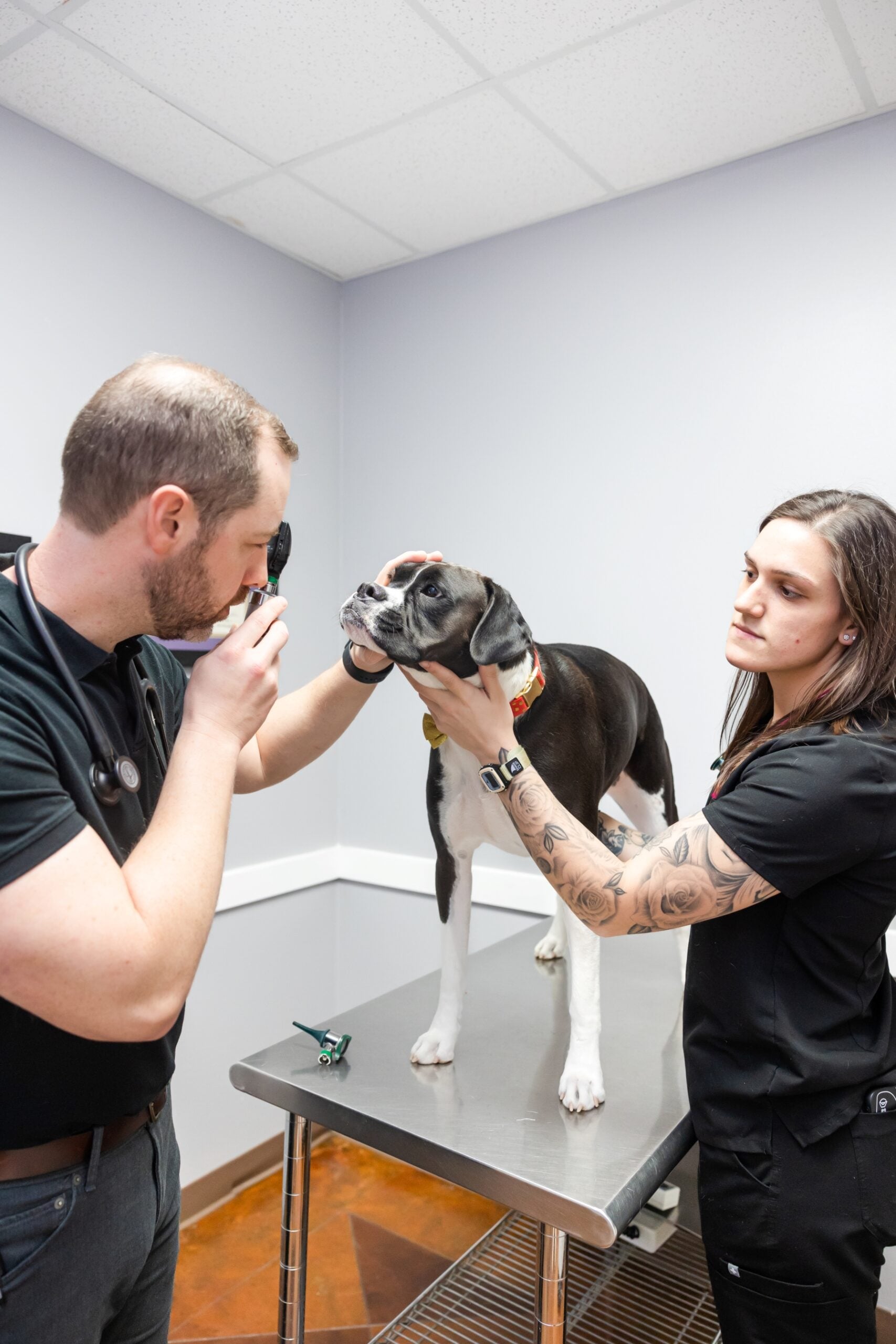
Technology has a role here too. A secure, accessible medical record system makes it easier for families to understand what vaccines their pet has received and when. The ease of sharing vaccination records with groomers, pet sitters, or boarding facilities reduces the friction that often accompanies preventive care. In practice, we find that families who keep a current vaccination record are more likely to keep appointments on schedule, which is itself a major factor in long-term health outcomes.
Concluding reflections without a conclusion
Vaccinations for pets are a collaborative effort. The human side—clear communication, honest timelines, and thoughtful scheduling—needs to align with the scientific side—stable vaccines, precise handling, and disciplined storage. At Prairieville Animal Hospital, the two halves meet in a routine that is at once simple and exacting. The result is a vaccination program that protects the animals in our care and supports the families who count on us.
If you would like to read more about our approach, you can explore pet wellness exams at Prairieville Animal Hospital or find specific details on vaccinations for pets and spay and neuter services. Pet health is not a single moment of care but a continuum of choices that shape a life’s trajectory. With vaccines stored and handled properly, with a clinic that treats each dose as a responsibility, families gain confidence that the steps taken today will yield a healthier tomorrow. This is the quiet work that makes preventive care reliable, predictable, and genuinely meaningful for pets and their people.