Prairieville Animal Hospital Vet Clinic: Preparing for Surgery
Surgery is a shared moment of trust between pet guardians and the veterinary team. It is not a single procedure but a sequence of carefully planned steps that begin long before the incision and extend well into recovery. At Prairieville Animal Hospital, we treat preparation as a pivotal part of the outcome. The goal is not merely to perform the operation but to set your pet up for a smooth, predictable path from anesthesia to full motion and appetite return.
For most families, the idea of an operation on a beloved companion stirs a mix of concern and resolve. The practical reality is that when you approach surgery with clear expectations, you reduce stress, improve safety, and support faster healing. Throughout this guide you’ll find the realities of preparation laid out in concrete terms, drawing on years of clinical practice and countless conversations with pet owners who found themselves navigating this process for the first time.
What surgery means in a small animal practice
Surgical care is not limited to cutting and sutures. It starts long before the patient enters the operating room. It includes reviewing medical history with the owner, evaluating preoperative tests, planning anesthesia that suits the animal’s age and health, and arranging postoperative support that keeps pain controlled and mobility restored. A thoughtful plan recognizes that each patient brings a unique set of risks and strengths. A senior dog with a history of heart murmur, for instance, will require closer monitoring than a healthy young cat undergoing a routine spay. This is where Prairieville Animal Hospital balances evidence with lived experience. We tailor schedules, dosing, and care pathways to the individual, not the textbook.
Preoperative assessment: laying the groundwork
The first conversations you have with the veterinary team set the tone for the entire process. A thorough preoperative assessment is a diagnostic compass, guiding everything from anesthesia choices to whether additional lab work is needed. In practice, this means a structured intake that translates your pet’s daily patterns into actionable data.
One critical aim is to identify conditions that could complicate anesthesia. We look for respiratory or cardiac disease, kidney or liver function issues, and any prior adverse reactions to anesthetic agents. If you have an elderly pet or one with multiple health concerns, the team will often propose a preoperative blood panel, sometimes an EKG, and possibly imaging to map the surgical field or explore subtle problems that might affect recovery.
An important distinction many guardians forget concerns medications. Tell us about every pill, supplement, or over‑the‑counter product your pet takes. Vitamins, herbal remedies, or anti-inflammatory drugs can interact with anesthesia or impair clotting. In some cases we’ll adjust dosing or ask you to pause a medication for a specified window before surgery. The goal is not to disrupt daily life more than necessary, but to reduce the risk of intraoperative complications.
The day-of-surgery checklist doubles as a safety net. Your pet’s leash or carrier should be clean and familiar, reducing stress in the waiting area. Food is a frequent source of questions. In most cases we ask you to withhold food after a certain time the night before the procedure. Water may be allowed up to a few hours before anesthesia, depending on the case and the anesthesia protocol chosen. The exact instructions come from our veterinary anesthesia team, and they reflect the patient’s age, body condition, and the planned operation.
A practical note about anesthesia equipment and monitoring
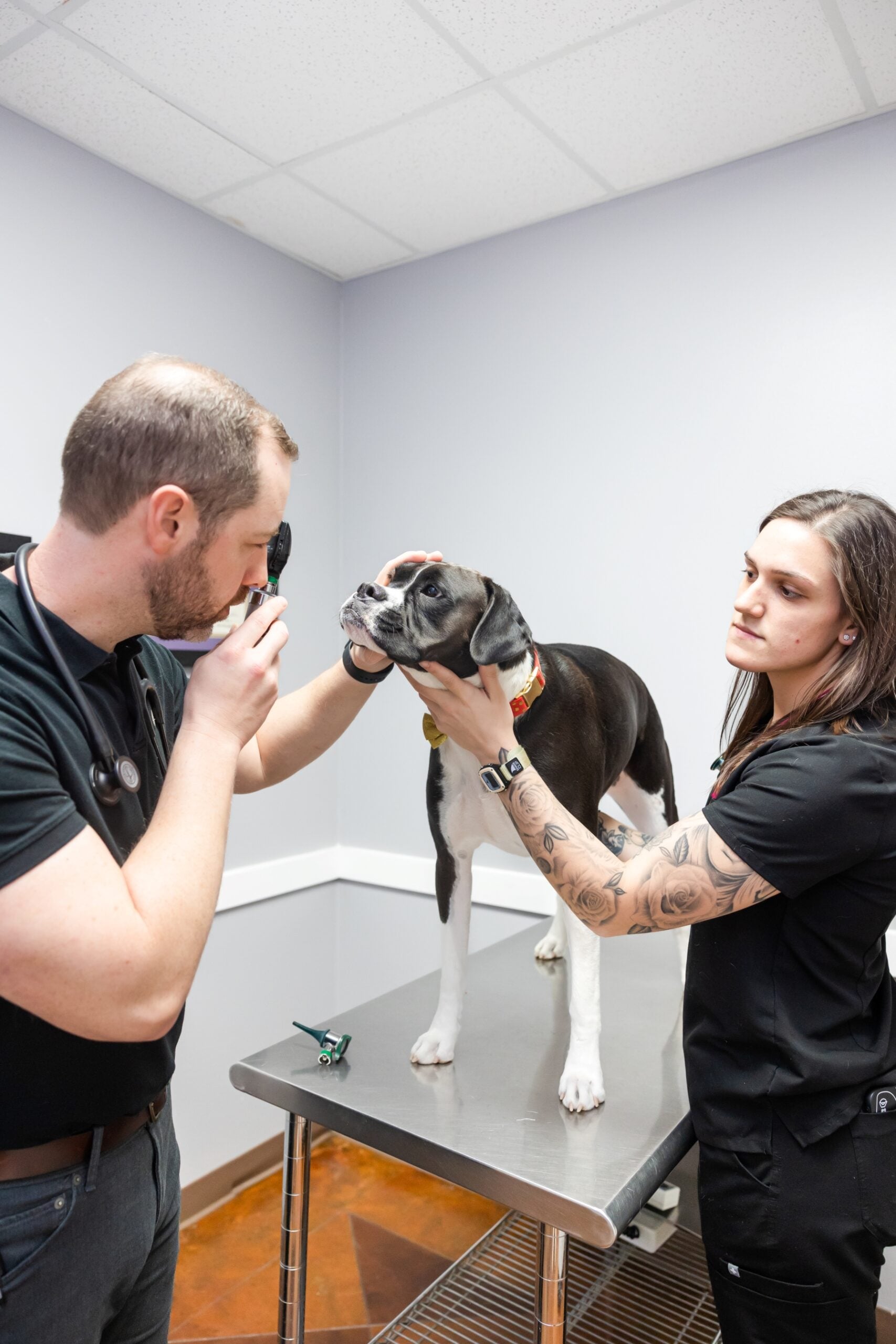
Anesthesia is not a single drug but a carefully calibrated state. Our aim is to keep the patient pain-free, calm, and motionless while protecting airway and organ function. Modern practice emphasizes multimodal anesthesia: a combination of agents that work together to reduce the amount of any single drug required and to improve analgesia. In practice, this means a plan that uses sedative or anxiolytic medication to minimize stress, an induction agent to facilitate airway control, and a maintenance plan that can include inhaled anesthetic gas and regional nerve blocks in some surgeries.
Continuous monitoring is non negotiable. A trained technician watches heart rate, respiratory rate, oxygen saturation, temperature, blood pressure, and levels of anesthesia depth. When something looks off, adjustments are made quickly. The best outcomes arise from teams who view monitoring as an ongoing conversation with the patient, not a checklist to be ticked off.
Preparing your home for post-operative care
Recovery begins the moment the last suture is placed. The most successful recoveries come from homes that anticipate needs and minimize stress. A quiet, comfortable space helps, ideally away from high traffic zones. A crate or an enclosed area can be required for some patients, especially after abdominal or orthopedic procedures. The goal is to provide a safe, padded area where the pet can rest without jumping and twisting during the critical first 24 to 72 hours.
Many guardians underestimate appetite changes after anesthesia. It is common for pets to be groggy and a bit off their routine for a day or two. You should plan for gentle reintroduction of food, with small, frequent meals rather than a single large one. Hydration tends to lag behind appetite, so water should be offered in small sips if the pet is hesitant to drink on their own. If you notice persistent vomiting, lethargy beyond the expected grogginess, or a refusal to drink after the initial post operative period, a call to Prairieville Animal Hospital is warranted. Pain management continues after discharge, and your veterinarian will provide a prescription and instructions tailored to the animal and the surgery performed.
What to expect in the hours after anesthesia
The anesthesia period ends, but the care continuum continues. Immediately post anesthesia, pets may appear unsteady or disoriented. A common scene at discharge is a pet who is sleepy, vocal, or temporarily uncoordinated as the anesthesia wears off. Our team directs you on how to move and assist the animal safely at home. Temperature regulation is another subtle factor. Some pets experience mild hypothermia after waking, which is addressed with blankets and a calm environment. As the animal returns to a normal rhythm, you will see a gradual rise in alertness and activity.
Managing pain without overmedicating is an art. Poorly controlled pain slows recovery, dulls appetite, and can lead to a reluctance to move, which itself raises risk of complications such as lung collapse in a deeply sedated patient or joint stiffness after orthopedic procedures. Our approach centers on multimodal analgesia—using several modalities to achieve effective relief while minimizing side effects. This might include a combination of systemic medications, local nerve blocks, and sometimes topical or injectable therapies. You will receive a detailed plan with dosing schedules, timing, and instructions for administration at home.
Two practical lists to anchor the process
What to bring to Prairieville Animal Hospital on surgery day
- A clearly written list of all medications your pet takes, including doses and times.
- A person who can stay with the animal during recovery at home for the first 24 hours or as advised.
- A preferred route of contact and an alternate number in case the clinic needs to reach you.
- Any medical records or imaging results relevant to the upcoming procedure.
- A familiar carrier or calming item such as a blanket from home to reduce stress.
What to look for during the first 48 hours after discharge
- Normal activity with a quiet rest period and no vomiting more than once or twice.
- Regular attempts to drink water and gradually increasing food intake.
- A clean incision without redness, swelling, or discharge beyond the expected healing stage.
- Evidence of steady breathing and no signs of pain that indicate uncontrolled discomfort.
- The contact information for the clinic at hand in case you notice anything unusual.
Postoperative care: setting a realistic recovery path
Recovery is where the plan either proves its value or reveals gaps. The first 24 to 72 hours are the most delicate for most procedures. It is during this window that the risk of dehydration, infection, or wound interference peaks. A steady, calm environment makes a decisive difference. The exterior world is a source of anxiety if the pet is forced to navigate stairs, loud noises, or sudden movement. A quiet space with a familiar routine supports the healing process.
We often see guardians ache with the instinct to check in every hour. Routine updates from the clinic provide reassurance, but the patient benefits from a measured pace. The goal is always to balance rest with gentle activity as warned by the team. Short leash walks may be advised for dogs, while cats often benefit from slow, supervised play and controlled access to their litter area. The timing of reintroduction to normal activity depends on the surgery type and the patient’s overall strength.
If your pet has a healing incision, the first days require careful observation. Sutures or clips may be placed on the outer skin, and some animals receive internal sutures that dissolve over time. Avoid stretching or pulling the incision, and keep the area clean and dry unless directed otherwise. The more delicate aspect of wound care is the recognition of early signs something has gone awry. Sudden swelling, unusual discharge, fever, or increasing pain are red flags that require prompt medical review. Early intervention can prevent minor issues from becoming major setbacks.
Pain management and appetite support are not luxuries; they are essential components of recovery. In practice, we customize plans that may include oral analgesics, anti inflammation medications, and occasionally adjunctive therapies to address neuropathic pain or muscle soreness after joint procedures. Your veterinarian will provide a precise schedule, but a typical pattern might involve pain relief for the first two to four days, with gradual tapering as healing progresses. Appetite stimulants are not uncommon for pets who are discouraged by discomfort or nausea in the immediate post operative period.
For guardians, a practical reality emerges: the need to coordinate care with work schedules, boarding or pet sitting, and transportation for follow-up visits. The surgery itself may be over quickly, but the road to full function extends beyond the clinic walls. Our team emphasizes clear communication and sustainable routines. We walk families through what to monitor, when to call, and how to adjust daily acts, such as feeding times or activity levels, to align with the animal’s evolving needs.
Special considerations for different species and situations
Dogs, cats, and small mammals each present distinct challenges and advantages when preparing for surgery. A healthy, middle aged dog is often a straightforward candidate for routine procedures. A senior dog or a dog with a history of medical issues might require more extensive preoperative testing and a slower, more cautious anesthesia protocol. The same logic applies to cats, where stress sensitivity can significantly influence anesthetic risk and postoperative appetite. For rabbits, guinea pigs, and other pocket pets, small body size, delicate organs, and specific drug sensitivities demand a highly individualized plan. When guardians bring in cross species families or multi pet households, our approach remains the same: tailor the plan to the patient, not the species label.
Orthopedic surgeries pose additional considerations. A broken bone, a torn ligament, or a spinal issue introduces a need for precise pain control and carefully staged rehabilitation. Your veterinary team will discuss the expected recovery timeline in detail, including the likely need for restricted activity and the possible necessity of physical therapy. In these cases, we often coordinate with rehabilitation specialists to optimize outcomes. On the other end of the spectrum, routine soft tissue surgeries such as spays, neuters, or lump removals typically carry shorter recoveries, but they still benefit from explicit instructions and a careful observation period at home.
Dental procedures demand their own kind of preparation. Anesthesia safety is crucial, and oral health directly affects healing after surgery. We frequently pair dental cleanings with minor extractions or periodontal therapy. Guardians report noticeable changes in appetite and energy within days after dental work, a strong reminder that even non visible issues can influence overall recovery. The practical lesson is simple: when you prepare for surgery, you also prepare for the daily life that follows, including good dental and nutritional practices that support healing.
Logistical realities and the human factor
The clinical pathway is only as good as the people who implement it. The team at Prairieville read more Animal Hospital emphasizes thorough handoffs between the intake staff, the anesthesia clinician, the surgeon, and the nursing team. Consistent handoffs reduce miscommunication and improve patient safety. A smooth process rests on a few steady practices: sharing a precise surgical plan, confirming the patient’s identity, and documenting the entire anesthesia and recovery timeline. The result is a workflow that minimizes delays and keeps your pet in a calm, familiar environment as much as possible.
A recurring theme in practice is the balance between rigor and empathy. We can lay out an explicit protocol for every possible contingency, but the moment the door opens and the guardian steps in, there is a human element to manage. That moment includes addressing fears, clarifying expectations, and offering tangible, actionable guidance. Our aim is to empower you with knowledge and to keep the animal’s comfort at the center of every decision.
Common pitfalls and how to avoid them
Even with meticulous planning, families encounter bumps along the way. A common challenge is inconsistent adherence to post operative instructions. The home environment can be unpredictable, and a routine that works in the hospital may need adaptation at home. For example, if your work schedule compresses restful time in the afternoon, it may be necessary to arrange for an additional 20 minute rest break in the first few days after surgery. Small changes made with guidance from your veterinary team can prevent stress for your pet and avoid setbacks in healing.
Another frequent pitfall is underestimating the importance of early activity modification. Pets naturally want to resume their play. Guarding instincts and curiosity can lead them to jump, climb, or run immediately after surgery. A restrained approach, particularly after orthopedic or abdominal surgery, is essential to avoid complications such as incision disruption or delayed healing. Collaboration with your veterinary team in planning a practical, sustainable activity limit is one of the most valuable tools you have for a successful recovery.
Edge cases deserve special attention. Puppies and kittens adapt quickly to change, but their rapid growth and high energy can complicate recovery plans. The gentle balance between rest and developmentally appropriate activity becomes the art of pediatric postoperative care. In senior pets, organ function may limit the range of analgesics or the speed of recovery. In those cases, clinicians opt for more conservative timelines and enhanced monitoring. The shared thread across these edge cases is honesty about what is realistic and what requires closer monitoring.
Owning the narrative of your pet’s surgery means embracing both clarity and humility. You may come away from the initial consult with a long list of questions. It is a sign of responsible care to ask those questions, to demand specifics about anesthetic choices, expected recovery times, and the signs that should trigger a call to the clinic. The right answers come from a team that listens, explains the reasoning behind decisions, and offers practical, actionable steps you can take at home.
Anecdotes that reflect practice and care
Several years ago a household came in with a senior retriever who needed a delicate abdominal procedure. The dog’s energy level had waned, and the owner wore a calendar full of reminders of daily medications. The team laid out a plan that involved a preoperative blood panel, a tailored anesthesia protocol, and a structured postoperative regimen. The guardian walked through the door with a worried smile, and left with a clearer understanding of the steps ahead. The dog woke with a tail wagging, the incision initially held in a way that surprised everyone, and within a week the patient was showing signs of interest in daily walks again. It was not a triumph of spectacle but a quiet, practical success achieved through disciplined preparation, careful monitoring, and patient guardians who followed the plan.
Another story involves a cat who was slated for a minor dental procedure in conjunction with a small tumor removal. Cats frequently present with stress intolerance, especially in clinical settings. The veterinary team coordinated a gentle preoperative plan that included feline friendly handling, anti stress measures, and a careful choice of anesthetic agents to minimize postoperative nausea. The outcome was a smooth wake up, a calm discharge, and a return to normal eating within 24 hours. These are not rare miracles; they are the observable outcomes of a clinic culture that treats preparation as a core clinical skill rather than a formality.
Practical steps guardians can take now
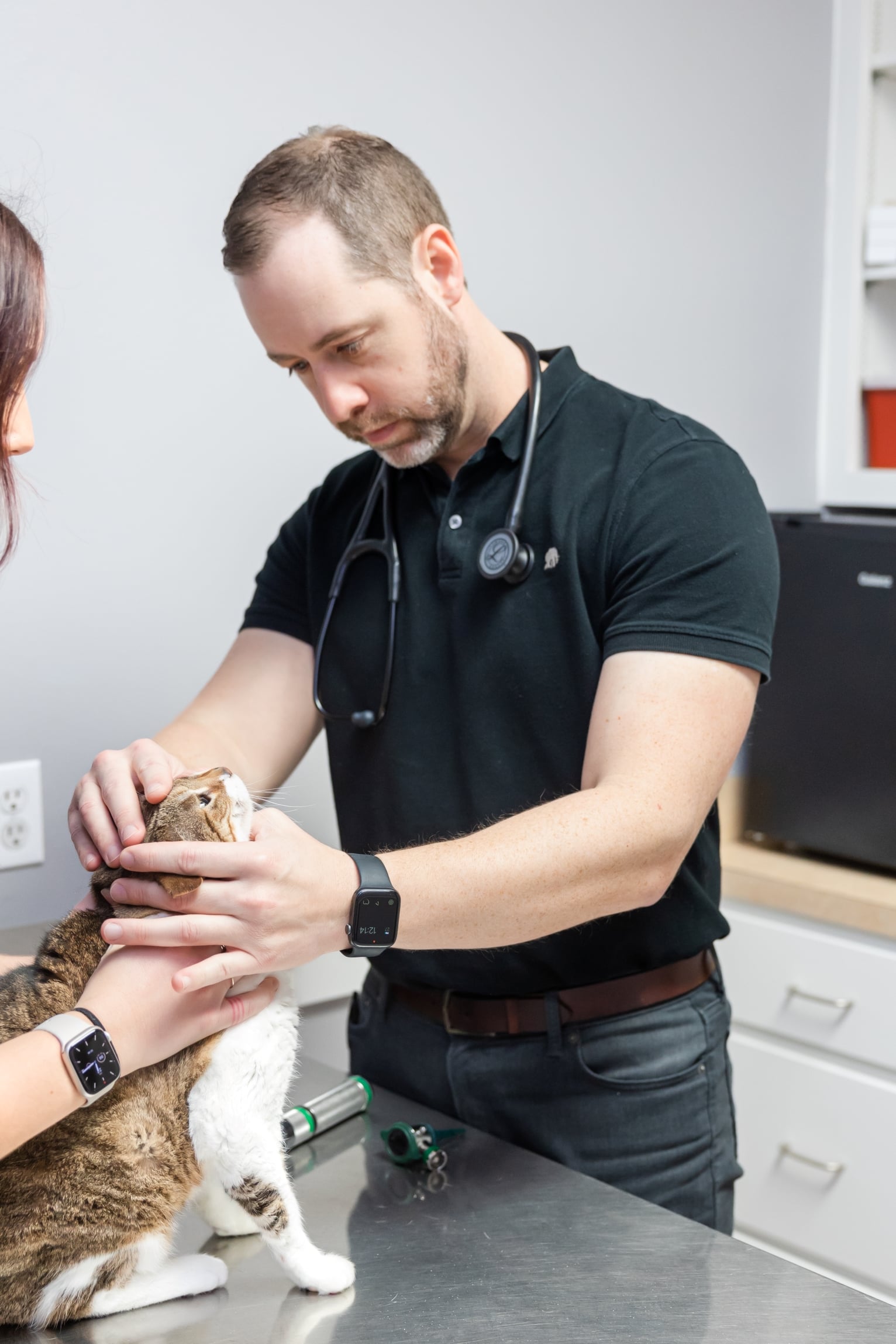
- Schedule the preoperative visit with enough time to discuss questions in detail. Rushing a decision tends to leave gaps that become more pronounced under the stress of surgery.
- Bring a complete medication list and a record of prior anesthesia experiences if available. There is immense value in knowing what has or has not worked in the past.
- Prepare a clear home plan for the first 48 hours. Identify a space for rest, a caregiver for post operative duties, and a plan for monitoring and reporting concerns to the clinic.
- Ask for a written postoperative plan. The right document outlines pain control, incision care, activity restrictions, and a timeline for recheck visits.
- If there is any concern about behavior around new people or in unfamiliar spaces, discuss strategies to reduce stress on the day of surgery. A calm patient is a safer patient.
Choosing the right veterinary team
The decision to move forward with surgery rests with you. The team at Prairieville Animal Hospital aims to earn that trust through transparent communication, deliberate planning, and a genuine commitment to the animal at the center of every decision. When guardians ask how to evaluate a clinic, we offer three practical criteria. First, look for a team that treats anesthesia and postoperative care as a cohesive continuum rather than a string of disjointed steps. Second, seek an environment that prioritizes pain control and early, safe mobilization. Third, prefer a practice that invites questions and provides clear, written guidance that can be followed at home.
In the end, preparation is not a single event but a dynamic process that begins with a phone call or an in person visit and ends with confident, steady recovery days later. The philosophy at Prairieville Animal Hospital is simple: plan with care, communicate with honesty, and support the patient and guardian through every moment. This is not theoretical knowledge. It reflects real world practice built on years of experience with countless pets and their families.
A closing reflection on the journey through surgery
For many guardians, the arc of surgical care feels long and winding. The clarity you gain in the weeks before the operation becomes a practical tool during the critical hours after anesthesia. The most meaningful outcomes are the ones that quietly accumulate: a pet who eats well, walks without hesitation, and returns to familiar routines with less discomfort. When a team can deliver that sequence with consistent reliability, it affirms the value of careful preparation.
At Prairieville Animal Hospital, preparation is more than a checklist. It is a collaborative rhythm that aligns the veterinary team with you, the guardian, and with the animal who relies on that partnership. The path from preoperative assessment to post operative recovery is mapped with precision, yet it remains adaptable to the realities of each day. The result is a service that feels as practical as it is compassionate, grounded in what really works in real homes and real clinics.
If you are facing surgery for your pet, know that you are not alone in this. The clinic you choose should feel like a steady presence from the first call through the final follow up. You deserve an approach that respects your pet’s individuality, that honors your time, and that makes room for the questions you need answered. In our experience, that is the essence of preparation done well. It is preparation with purpose, and it is preparation that translates into safer anesthesia, smoother recovery, and a path back to the everyday joys you share with your animal companion.