Prairieville Animal Hospital: The Veterinary Staff’s Commitment to Pets
What stands out when you walk into Prairieville Animal Hospital is not the gleam of the equipment or the scent of antiseptic, though those things are present. It’s the quiet confidence in the people who work there and the way that confidence translates into care for animals and reassurance for families. Over the years I’ve watched a team carve out a very particular space in the local veterinary landscape, one built on consistency, honesty, and a practical, humane approach to medicine. This isn’t about grand visions that fade when the clinic closes at night. It’s about everyday choices that add up to better outcomes for patients and less stress for caregivers. It’s about a staff that treats every appointment like a partnership with the pet’s family rather than a one-off service transaction.
A culture of care is not something you can manufacture with slogans or a glossy brochure. It’s threaded through the routines, the conversations with clients, and the way the team handles the unexpected. In a rural-agricultural belt, where households rely on livestock as much as they rely on companion animals, the hospital has built a practical workflow that respects time while never compromising on attention. I’ve seen a technician ease a nervous dog into a familiar routine, a receptionist remember a client’s preferred communication method, and a veterinarian spend extra minutes explaining a treatment plan to a worried owner. Those moments aren’t accidental. They are the result of ongoing training, deliberate scheduling, and a shared language about medicine that values transparency as much as expertise.
The anatomy of care begins with the people at the front desk. A good veterinary team is easy to notice in the way it handles the first phone call or the initial greeting at the door. In Prairieville, the voice you hear on the line is steady, it invites questions, and it can translate medical jargon into plain language without condescension. It sounds small, but those moments set the tone for the entire visit. When a family arrives with a nervous terrier or a cat that hates doors, the staff’s ability to project calm is a tangible medicine. It reduces stress, which in turn makes it easier for the clinicians to vet near prairieville la do their job well. The front-of-house patience spills over into every exam room, into the way vitals are obtained, and into how the team narrates the plan for care.
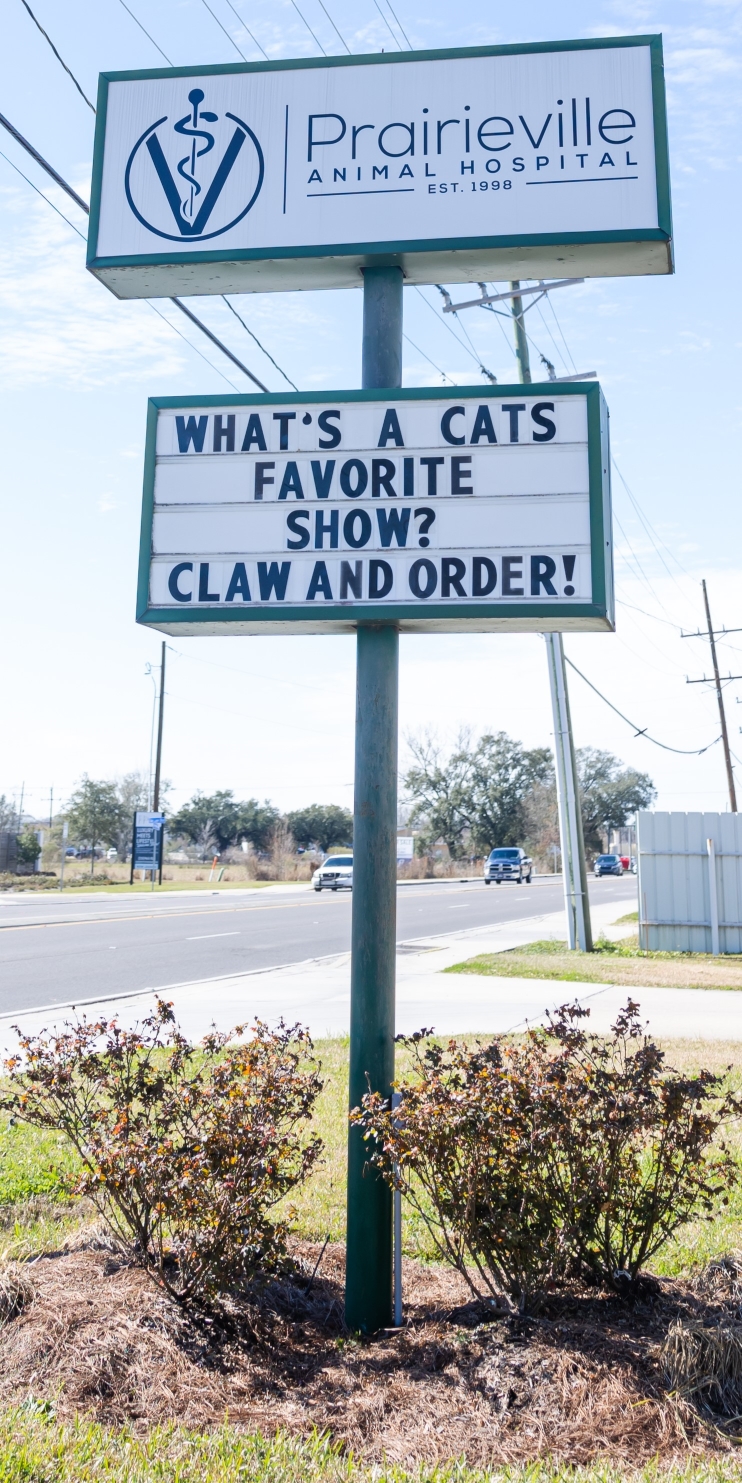
The veterinary staff at Prairieville is a blend of seasoned clinicians and newer voices, all aligned on a single north star: the animal’s welfare. The older veterinarians bring a breadth of case experience, a reservoir of diagnostic patterns, and an appreciation for when to pursue a conservative management plan versus when to escalate. Younger colleagues bring fresh perspectives, up-to-date knowledge on pain management, and a readiness to adopt evidence-based approaches when they make sense for a specific patient. The mix matters. It means there are always mentors available in the hall and always someone who can explain a new therapy in terms a client can grasp without feeling talked down to. The staff’s ability to learn from each case keeps practice evolving and keeps care current, without losing the personal touch that clients rely on.
The hospital’s physical space supports this culture too. The reception area is bright and orderly, yet not sterile. Equipment is clean and well organized, not because it’s new, but because it’s predictable. Predictability is a quiet driver of safety. Veterinary medicine requires a cadence that balances thoroughness with the reality of busy days. When you have multiple emergencies or a spay/neuter schedule stacked in the morning, the hospital’s layout and workflow are designed to minimize confusion. I’ve watched a technician shuttle a patient through a staged care plan with the same ease you’d expect from a well-rehearsed stage crew. There’s a rhythm to it—checking vitals, confirming consent, outlining the plan, preparing the meds—everything done with a level of clarity that makes the process feel calm from start to finish.
The people who work here are not just skilled; they are practical about limits. They know when to call in a specialist, when to consult a colleague, and when to lean into the basics if that’s what will help the patient most. A common thread across the team is a bias toward action tempered by honest assessment. If a lab result is ambiguous, they don’t guess; they double-check, repeat the test, run a parallel panel if needed. If a client asks questions that require time, someone steps in to provide the education they deserve. The goal is not to win an argument about the best approach but to arrive at a plan that is feasible for the family and medically sound for the animal.
The day-to-day work at Prairieville includes routine wellness visits, urgent care, and everything in between. Wellness visits are not merely a tick on a checklist; they are opportunities to partner with families on healthy aging, behavior, and preventive strategies. Vaccination schedules are tailored to the patient’s lifestyle and risk factors, a reminder that medicine in this clinic is not one-size-fits-all. When a young puppy or kitten arrives, the team doesn’t "just vaccinate and vacate." They spend time to set expectations, discuss microbiology and the rationale behind each shot, and give owners practical handouts on home care and nutrition. The client leaves with a clearer sense of what’s happening and why it matters for the future.
In emergencies, the hospital’s calm becomes a lifeline. I’ve seen a dog with a sudden heat-related stress episode, a cat struck by a car, a horse with an torn tendon during a farm accident, all receive rapid triage that prioritizes life while clearly communicating what comes next. The staff’s approach to emergencies blends efficiency with compassion. It’s not about speed alone; it’s about maintaining a line of sight to the animal’s comfort and dignity as the plan unfolds. The team’s readiness extends beyond the exam room. They anticipate questions about pain control, postoperative comfort, and follow-up care, and they provide written instructions that clients can refer to after they’ve left the building. That kind of continuity matters when you’re managing a post operative recovery at home or coordinating with a local farrier for a horse’s rehabilitation.
Specialized services at Prairieville fill gaps you might not notice until you need them. Dentistry, for instance, is treated as a routine cornerstone rather than a rare add-on. The hospital emphasizes dental health as an essential part of overall wellbeing, and the team’s approach to anesthesia for dental procedures reflects a safety-minded perspective. They pair sedation plans with precise monitoring, ensuring owners understand the potential risks and benefits. It’s not the flashiest service, but it’s one that changes lives in small, meaningful ways. If you ever watch a canine after a thorough dental cleaning, you’ll notice how crisp the appetite and energy return can be. These are the details that accumulate into longer, healthier lives.
Pain management is a thread running through almost every visit. Clients often focus on the visible problem—the limp, the swelling, the eye irritation—but the team’s attention to pain starts earlier and continues longer than the immediate symptoms. They’re comfortable discussing different analgesic options, the pros and cons of long-term use, and the realities of how pain can affect behavior and appetite. The hospital uses a multimodal approach when appropriate, mixing pharmacology with non pharmacologic strategies like environmental enrichment and physical therapy when the case warrants it. The aim is to minimize the animal’s distress while maximizing function and recovery. In practical terms, that translates to fewer post operative complications, quicker return to normal routines, and more positive experiences for the entire household.
The people at Prairieville also bring a pragmatic philosophy to nutrition and weight management. They understand that good nutrition is not just about the number on a bag but about how meals fit into a busy schedule, the animal’s activity level, and any concurrent medical conditions. The team can help families translate feeding guidelines from science into real world routines, including adjustments for seasonal changes, travel, and shifts in family routines. They’ll discuss the realities of picky eaters, the limitations of certain diets, and the practicalities of switching foods when a pet has digestive concerns. It’s not about pushing a single brand; it’s about finding a sustainable path that works at home.
The relationship with clients extends into community presence. Prairieville Animal Hospital participates in local events, offers educational sessions, and maintains a steady stream of practical guidance through newsletters and in person conversations. The impact of that engagement isn’t measured only in appointments, but in the depth of trust that families feel when they’re faced with tough choices, like whether to pursue aggressive diagnostics in an older pet or to focus on comfort and quality of life. When clients know the team will explain options clearly, they’re more likely to engage in preventive care and to seek help early when a problem arises. The hospital becomes not just a place to treat illness but a steady partner in the animal’s life.
The Evolution of practice happens gradually, with deliberate steps that reflect both progress and restraint. The staff acknowledges that medicine evolves, and not every new idea is a fit for every patient. There is room to experiment within safe boundaries, to adopt gradual improvements, and to retreat when needed. The hospital’s leadership tends to favor sustainable growth: investing in essential equipment that delivers reliable results, expanding services only when there is a clear demand, and maintaining reasonable appointment times that honor the families and the animals who rely on them. This measured approach prevents practice drift, anchors clinical decisions in real world experience, and keeps the focus on patient welfare rather than the latest trend.
For clients, the experience comes down to three things they will likely notice as they walk through the door: clear communication, a steady hand in the exam room, and a willingness to partner with them on a plan. When you bring your pet to Prairieville Animal Hospital, you aren’t handed a prescription and a bedtime story about home care. You are given a transparent explanation of what is happening, what the options are, and what the likely outcomes look like. The staff asks questions about the animal’s daily life, as they should, and uses that information to tailor recommendations. A healthy dog might walk out with a preventive plan that emphasizes routine dental care, exercise, and seasonal vaccines; an aging cat might leave with a tailored wellness plan that aligns with kidney function, mobility support, and appetite management. It’s the difference between a generic service and a thoughtfully engineered experience.
Two hallmarks define the Prairieville approach, and they are not flashy, but they are unusually durable in practice. First, a deep respect for the bond between humans and animals. The staff understands that pets are not just test subjects or problem reports; they are family members who shape daily life, rituals, and emotion. The clinical decisions honor that bond, balancing the science of medicine with the human dimensions of care. Second, a shared responsibility for outcomes. No single clinician owns a case from start to finish. Instead, the team collaborates—techs, nurses, veterinarians, and specialists—pulling from a shared knowledge base and a common commitment to the patient. That teamwork translates into smoother experiences for clients and less ambiguity for pet owners when decisions need to be made quickly.
Clients who return year after year notice a cumulative effect. Yearly exams aren’t just about vaccines; they become annual check ins into the animal’s changing needs. The hospital’s approach to preventive care helps families anticipate the pet’s evolving health profile, from dental health to weight management to mobility as the animal ages. When something unexpected arises, the same teamwork that guides routine care shows up in the emergency wake up call after hours, in the coordinated discharge plan after surgery, and in the long term follow ups that help a recovery settle into daily life rather than fade into a memory. Those are the textures of care that turn a clinic into a community resource rather than a one more stop along the line.
Two lists to highlight core aspects of this practice, not as separate banners but as practical anchors for what you can expect when you walk through the door.
-
A culture anchored in calm, clear communication
-
A team approach that distributes expertise without diluting personal attention
-
An emphasis on preventive care and patient education
-
Thoughtful pain management and humane treatment planning
-
A steady, community oriented presence in Prairieville
-
Realistic expectations set with families
-
Transparent discussions about diagnostics and costs
-
Flexible scheduling that respects busy households
-
Ongoing training and mentorship among staff
-
Durable routines that support long term wellness
As you consider care for a companion animal, the Prairieville model offers a template rooted in real world outcomes. It is not a guarantee against disease or misfortune, but it is a framework that makes informed, compassionate care reproducible. It is the result of a team that has learned over many years how to move delicately between empathy and precision, between listening and diagnosing, between the daily grind of a busy clinic and the quiet moments when a family looks to them for guidance with a pet that cannot speak for itself.
In the end, what makes Prairieville Animal Hospital more than a place to treat pets is the daily texture of practice. The staff’s commitment shows up in the way they answer questions, in the way they explain a treatment plan, and in the patience they bring to a frightened animal or a worried owner. It shows up in the balance of science and heart that guides every decision, the willingness to adjust a plan when new information arrives, and the mindfulness toward the pet’s comfort that underpins every anesthesia protocol or post operative care instruction. For families who need a vet clinic that acts like part of the household, Prairieville offers a steady, grounded presence. It is the kind of care that makes a difference long after the car leaves the lot and the clinic lights dim for the night.