Pet Surgery at prairievilleanimalhospital.com: Anesthesia Safety
The moment a family crosses the threshold with a frightened, tail-wagging, or stoic cat, they are stepping into a space where precision matters. Pet surgery is not a single act but a carefully choreographed sequence that begins long before the first incision and continues long after the last suture dries. At prairievilleanimalhospital.com, the approach to anesthesia safety sits squarely at the intersection of science, clinical art, and practical experience. This piece draws on years of cases in a real-world veterinary setting, where the stakes are concrete and the margins for error are small.
The world of veterinary anesthesia is not an abstraction. It is a living practice that blends pharmacology, physiology, and patient-specific considerations. Every patient arrives with a unique medical history, a distinct temperament, and a package of risks that can shift in an instant. For pet owners, the questions usually boil down to: How safe is the procedure? What does the anesthesia involve? What happens if something goes wrong? The goal here is to illuminate the practical safeguards that make anesthesia safer and to offer a clearer view of what happens from intake to discharge.
Preoperative thinking: framing risk before a scalpel ever touches fur or skin. In a busy hospital, the first order of business is information gathering. The team reviews the patient’s medical record, recent labs, medications, allergies, and any prior anesthesia experiences. A careful history helps flag conditions that influence anesthetic planning, such as heart murmurs detected during routine wellness exams, or chronic conditions that show up during more invasive workups. It is not enough to know that a patient is otherwise healthy; the nuance lies in recognizing subtle red flags that could amplify risk, such as marginal hydration, recent dehydration from illness, or a borderline electrolyte imbalance. The preoperative assessment lays the groundwork for an anesthesia plan that is as individualized as the patient.
Vital to this process is owner communication. Realistic conversations occur about fasting requirements, potential perioperative complications, and the expected pace of recovery. Owners are encouraged to share any behavioral concerns that could affect the procedure, like severe anxiety that might complicate the induction stage or post-anesthesia recovery. The team also sets expectations around the possibility of extending anesthesia time if the surgical field demands meticulous work. This isn’t about cultivating pessimism; it is about preparing for contingencies so that care remains calm and precise under pressure.
Anesthesia safety is not a single protocol but a series of interlocking safeguards. At prairievilleanimalhospital.com the safety net begins with the choice of anesthesia plan. For many routine surgeries, a protocol may combine a sedative premedication with a fast-acting anesthetic induction agent, followed by a maintenance plan that often includes inhaled anesthetics and careful analgesia. In more complex cases, regional anesthesia or nerve blocks play a meaningful role in reducing systemic drug exposure while providing effective pain control. Whatever combination is chosen, it is calibrated to the patient’s health status and the surgical requirements.
A central theme in modern veterinary anesthesia is monitoring. The human eye is a poor substitute for continuous, objective data. The patient’s heart rate, rhythm, respiratory rate, oxygen saturation, and temperature offer a live readout of how the body is handling the load of anesthesia. Advanced monitoring tools are employed where appropriate, with a preference for noninvasive techniques that minimize stress on the patient. The result is a dynamic picture: trends that alert clinicians to subtle shifts long before a crisis would unfold, enabling timely adjustments to gas concentrations, analgesic dosing, or fluid support.
In practice, safety is the product of preparation, monitoring, and post-operative care working in concert. The hospital environment is organized around a few core principles: minimize risk, maximize comfort, and facilitate rapid, stable recovery. Each component informs the others. For example, choosing a medication with a lower risk of cardiovascular depression may influence how the patient is hydrated during surgery, which in turn affects recovery quality. Every decision reflects a balance between the patient’s needs and the surgeon’s goals, guided by a philosophy that treats anesthesia as an extension of surgical safety, not a separate task.
A clinic’s culture matters as much as its pharmacology. A dedicated anesthesia team that communicates clearly with the surgeon, the nursing staff, and the pet owner creates a safety net that surrounds the patient from the moment they arrive. The team stays alert to deviations in status and communicates changes to the family in a transparent, compassionate manner. This is not about hype but about accountability—the steady, grounded certainty that if something shifts, there is a plan ready to adapt.
The anatomy of a typical anesthesia episode is easier to follow than many expect. It starts with admission, where a nurse or technician confirms fasting times, checks the patient’s weight for dose accuracy, and reviews any recent lab results. Induction follows, often with a brief period of quiet, controlled sedation. The transition to maintenance anesthesia is a careful handoff to the anesthesiologist or veterinary surgeon, who monitors the patient’s response to gas agents and analgesics while the surgeon works. Recovery is the soft landing, with oxygen therapy if needed, warm blankets to prevent hypothermia, and close observation to ensure the patient can breathe and wake up safely. It sounds linear, but it unfolds in real time, with clinicians making small adjustments that add up to a stable outcome.
The realities of anesthesia safety in pets come with clear, practical considerations. Cats, for instance, are notorious for sensitivity to certain anesthetic drugs and for a tendency toward hypothermia during recovery. Dogs vary widely by breed, age, and preexisting conditions, with some showing a heightened risk of airway obstruction or cardiac complications when sedatives interact with underlying illnesses. Acknowledging these differences informs every choice a team makes—from drug selection to monitoring thresholds to post-operative comfort measures. It is hard-won wisdom born from countless hours in the exam rooms and the surgical suite, where the difference between a routine procedure and a challenging case is often subtle and cumulative.
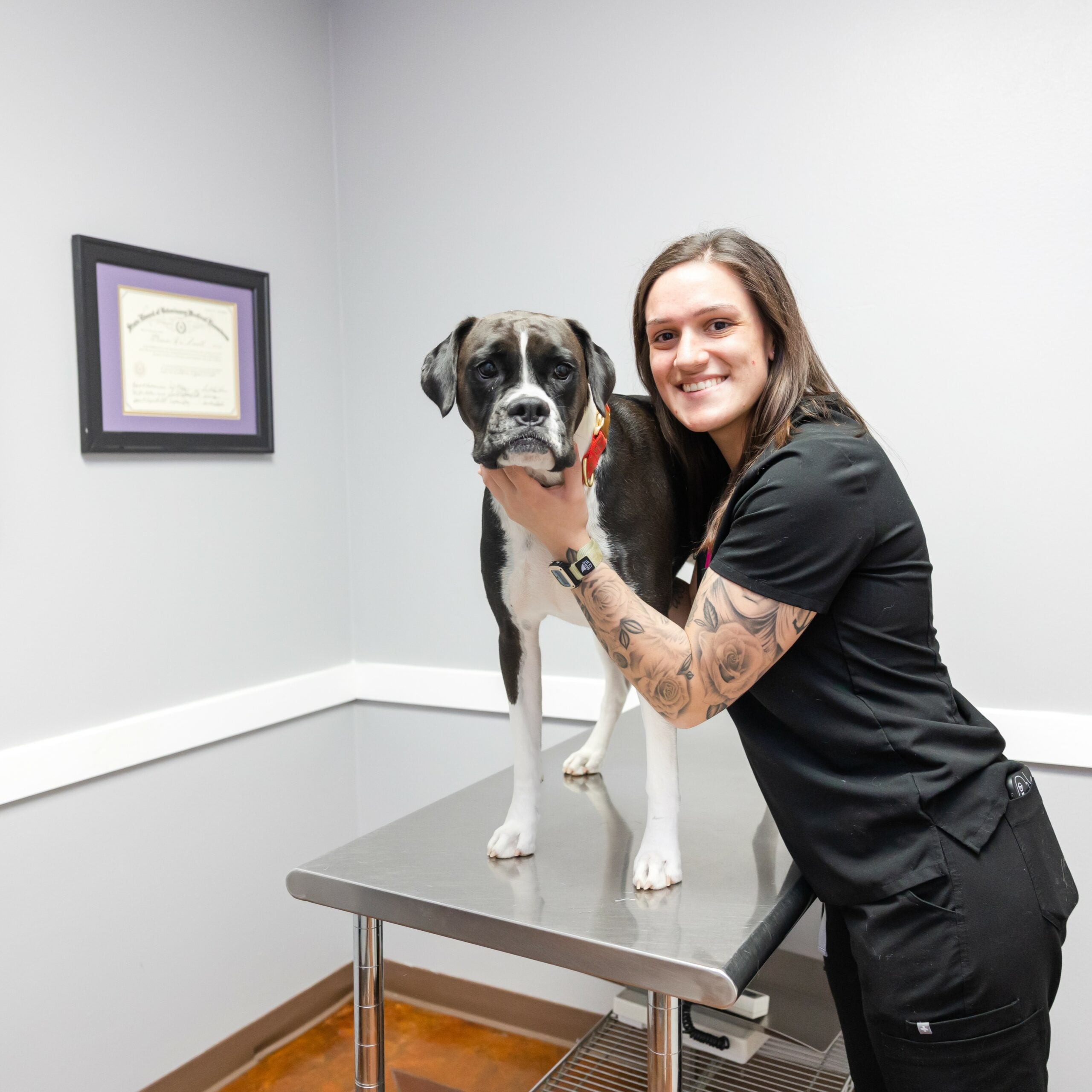
For families, the takeaway is that anesthesia safety rests on a few reliable pillars. First, a thorough preoperative assessment that catches issues before they become problems. Second, a well-matched anesthesia plan that respects the pet’s physiology and the surgical goal. Third, vigilant intraoperative monitoring that reads the body’s signals with fidelity. Finally, attentive post-operative care that supports smooth emergence from anesthesia and a comfortable, pain-managed recovery. When these elements align, even procedures with inherent risk can be carried out with confidence and precision.
Understanding the risk spectrum helps owners hold a realistic view without surrendering to fear. No medical intervention comes with zero risk, but the goal is to keep risk at a level that is predictable and manageable. At prairievilleanimalhospital.com, the numbers behind this thinking are practical and grounded. For typical elective procedures, major complications remain rare, with most patients waking in a matter of minutes and resuming normal activity within a day or two. When risk is higher due to age, chronic disease, or the complexity of surgery, the team communicates clearly about how the plan changes, what additional precautions are in place, and what the recovery trajectory looks like.
Beyond the clinical mechanics, there is a human dimension to anesthesia safety. A compassionate, well-informed owner can influence the safety script simply by sharing detailed information and following pre- and post-operative instructions. This is particularly important in the first 24 hours after anesthesia, when pain levels must be kept in check, hydration restored, and activity limited to keep the surgical site protected. The owner’s role is ongoing collaboration, not passive observation. When the hospital and the family establish a rhythm of communication, the patient benefits from a continuous safety net.
The day-to-day practice at prairievilleanimalhospital.com reflects a philosophy that safety is not a single moment but a continuum. It begins with equipment maintenance and calibration, ensuring that monitoring devices perform reliably, that oxygen delivery systems remain pristine, and that backup power sources are tested and ready. It extends into staff training, where ongoing education about anesthesia protocols and emergency response keeps the team sharp. The environment supports this philosophy with quiet rooms for induction, warm recovery bays, and a workflow that minimizes stress for both patient and owner. The aim is not theatrics but reliability, not bravado but steady competence.
Anesthesia safety also depends on honest risk assessment and engagement with the family about expectations. The best outcomes come from straightforward conversations about what can go right and what could complicate matters. This means being transparent about the potential need to alter the surgical plan, the possibility of staying overnight for observation, or the likelihood of sending the patient home with a tailored analgesia regimen. Clear, compassionate communication reduces the anxiety that naturally surrounds veterinary care and helps owners participate actively in their pet’s safety journey.
Two practical anchors emerge from this discussion: preparation https://prairievilleanimalhospital.com/ and presence. Preparation is the backbone of safety. It means preoperative evaluations, precise dosing, equipment checks, and a well-considered anesthesia plan. Presence is the clinical virtue that keeps the patient safe as the process unfolds. It means the nurse or technician by the table, the monitor displays in sight, the surgeon and anesthesiologist aligned in a shared understanding of the patient’s status, and the owner engaged in the process without feeling uninformed. Together, preparation and presence form a safety loop that becomes invisible only when everything runs smoothly.
What happens when something unusual appears? Anesthesia is rarely unpredictable; it is instead a system that anticipates and mitigates. The fast response to a drop in oxygen saturation can be the difference between a controlled adjustment and a crisis. The readiness to escalate pain control or to switch a patient from one anesthetic agent to another can save comfort and recovery time. The staff at prairievilleanimalhospital.com trains to recognize early signals of trouble, such as changes in breathing pattern, unusual chest movements, or a shift in heart rate that does not match the optical signs of anesthesia depth. When such signals emerge, the plan evolves in real time, with patient safety as the single gold standard.
This is not a static field. New drugs, refined monitoring parameters, and evolving pain-management strategies continue to shape practice. The clinic keeps pace by integrating evidence-based updates with the practical wisdom of daily clinical work. It is a blend of reading the science and reading the room in the recovery suite, noticing how a patient responds to a particular analgesic combination, or whether a particular dog’s temperament influences the pace of induction. Experience teaches restraint and precision, two traits that define good anesthesia in a veterinary setting.
Selecting the right veterinary clinic for a surgical procedure is a decision that extends beyond the operation room. Families look for a clinic that treats anesthesia safety as a core value rather than a procedural afterthought. Prairievilleanimalhospital.com has built a reputation around clarity, open communication, and a demonstrated track record in pet surgery, within a framework of robust safety practices. The right clinic will provide a transparent discussion of risk, a thorough pre-op assessment, a careful and patient-centered anesthesia plan, and a recovery process that respects the pet’s comfort as a priority.
For pet owners, the practical next steps are straightforward. Begin with a consult that reviews the patient’s medical history and current medications. Bring any lab results that could influence anesthesia planning. Ask about the specifics of the anesthesia plan for the intended procedure, including the agents used, how pain will be managed, and what monitoring will be employed. Clarify the post-op care instructions, including feeding, activity restrictions, medication schedules, and signs that should trigger a call to the clinic. A good session will end with a written timeline that helps the family anticipate the journey from induction to discharge.

In real practice, the experience of anesthesia safety is about the quiet competence that shows up in tiny, everyday details. The bottle of IV fluids that is labeled and checked twice. The monitor that stays in sight during the entire procedure. The warm blanket that helps maintain body temperature and comfort. The careful calculation of drug dosages based on body weight and kidney function, adjusted for age and activity level. All these details accumulate into outcomes that owners notice through the absence of worry as the pet transitions from sedation to wakefulness.
There is also the responsibility of ongoing improvement. Clinics that see anesthesia safety as a living standard will audit outcomes, review near-miss incidents, and refine protocols accordingly. They will track metrics that matter to families—the rate of stable recoveries, the time to standing, the incidence of post-anesthetic nausea, and the frequency of recheck visits after surgery. This is not about chasing perfection but about a disciplined process that learns from each case and uses that knowledge to lift the next patient’s care.
The question of what makes a pet feel safe under anesthesia is felt most directly by the pet itself. Comfort and pain relief are inseparable from safety. If a patient experiences pain, agitation can worsen recovery, and recovery time can lengthen. Multimodal analgesia—using more than one method of pain control—reduces the need for high doses of any single drug and tends to bring smoother emergence. It is common to combine systemic analgesics with local or regional anesthesia when appropriate. The aim is a calm, pain-controlled waking period where the pet can orient toward the owner with minimal distress.

Anesthesia is also a team effort, and that team includes the owner in meaningful ways. A well-informed owner who follows preoperative fasting instructions and adheres to post-operative care guidelines contributes to a smoother anesthesia experience. The home environment plays a surprisingly large role; a quiet, comfortable space with a predictable routine supports healing and reduces stress during the delicate recovery phase. In practice, the difference between a good recovery and a challenging one often comes down to the consistency of home care in the first 24 to 48 hours.
In closing, anesthesia safety is not a slogan. It is a practiced, shared discipline grounded in preoperative evaluation, individualized planning, meticulous monitoring, and careful postoperative support. It rests on the competence and communication of a veterinary team that treats each patient as a person in fur. It rests on the willingness of families to engage with honest questions, to provide complete information, and to follow through with care at home. When these conditions are met, even surgeries that carry inherent risk become manageable events within the larger arc of a pet’s health and quality of life.
Two concise guides to help families navigate the process are below. They reflect the practical routines that hold up safety in the hectic pace of a veterinary surgery suite.
Preoperative checklist (five essentials)
- Review the patient’s medical history and current medications with the clinic staff.
- Bring all recent lab results and imaging studies that could affect anesthesia planning.
- Adhere to fasting instructions as directed; clarify any questions about water intake before procedure.
- Share behavioral notes or anxiety tendencies that could influence induction or recovery.
- Confirm the procedure details, expected duration, and the plan for pain management after surgery.
Postoperative care essentials (five essentials)
- Monitor the pet closely for the first 24 hours, noting appetite, drinking, and activity level.
- Follow the prescribed analgesia plan exactly, and report any signs of excessive pain or sedation.
- Keep the healing site clean and dry, and restrict vigorous activity until cleared by the veterinary team.
- Maintain a warm, quiet, low-stress environment to support emergence from anesthesia.
- Call the clinic promptly if there are any concerns about breathing, confusion, vomiting, or sudden behavior changes.
The larger point remains clear: anesthesia safety in pet surgery is built on a culture of preparation, real-time vigilance, and compassionate, transparent communication with families. Prairieville Animal Hospital treats this as a daily responsibility rather than a periodic duty. The outcome you want—the safe completion of a procedure and a smooth return to normal life for your animal companion—depends on a chain of decisions made with care, skill, and respect for the animal in question. The experience you gain when you partner with a clinic that prioritizes safety is not a single event but a steady line of reassurance that runs from the first appointment to the moment your pet is back home, standing, and ready to greet the world again.